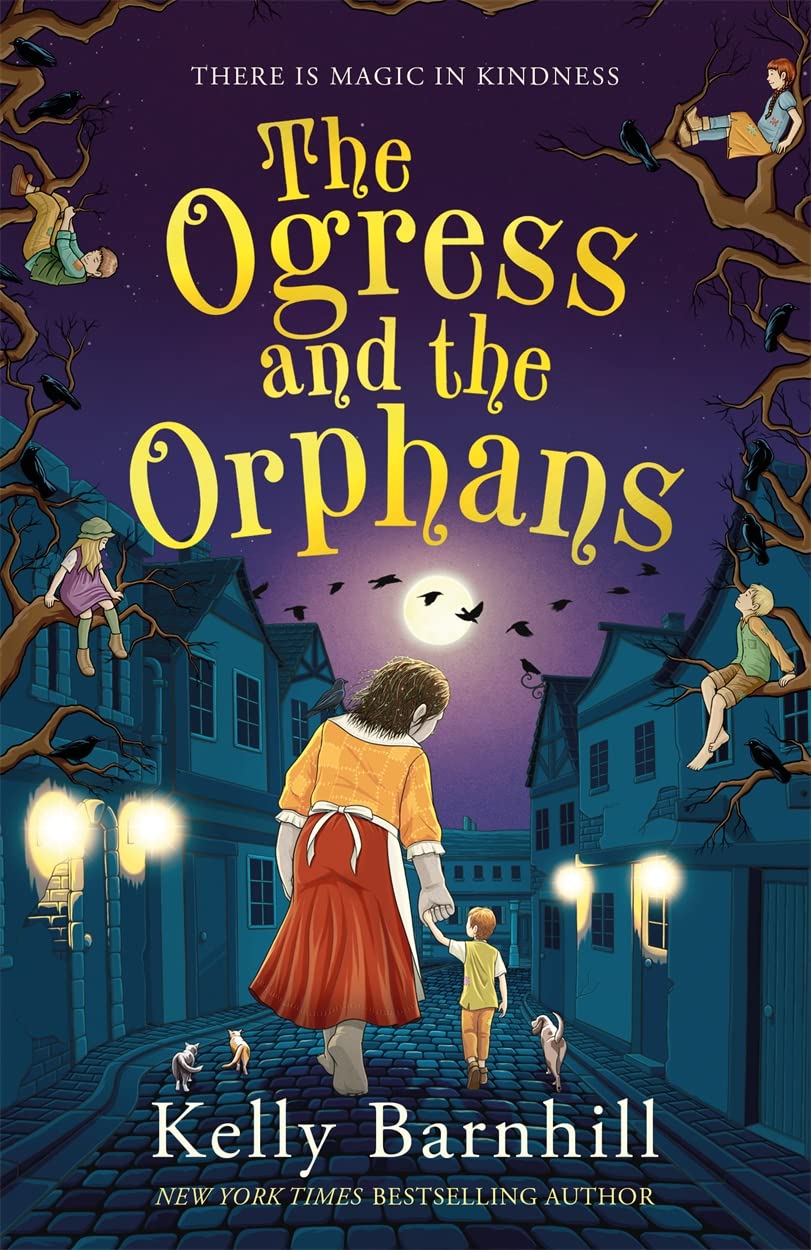
Anchor novel
The Ogress and the Orphans
Kelly Barnhill, 2023
The story at the heart of the Journey, and the source of the setting explored above.
 Hawthorne InstituteFor young scholars
Step inside Stone-in-the-Glen to explore how stories shape what a community believes.

Choose a place in town and look closely.
Separate what you can see from what you think happened. Which detail would you test against the story?
A scene can suggest an explanation without proving it.
Offer two explanations for the same detail. What would help you choose between them?
The same outward action can have different motives.
What would we need to know about who contributes, who decides, and who benefits?
How should a community decide what deserves its care and resources?
The library has burned. Hardship has changed the town. A child goes missing, and suspicion turns toward a kind outsider.
Scholars examine single perspectives, why compelling accounts spread and how communities examine assumptions. They investigate explanations with care rather than look for a prescribed moral.
This Journey begins with literary interpretation and opens into wider questions about evidence, collective judgment and civic responsibility.
A shared story opens into philosophy, social understanding and ethics—with room to question, listen and change your mind.
What makes a story convincing rather than true?
Rumor · Proof · AssumptionWhy do communities need someone to blame?
Belonging · Exclusion · PerspectiveWhat do we do when everyone else is wrong?
Conscience · Consequences · CareAnchor novel
Kelly Barnhill, 2023
The story at the heart of the Journey, and the source of the setting explored above.
Companion books
Jungyoon Huh, 2025.
Illustrated by Myungae Lee.
Translated by Aerin Park.
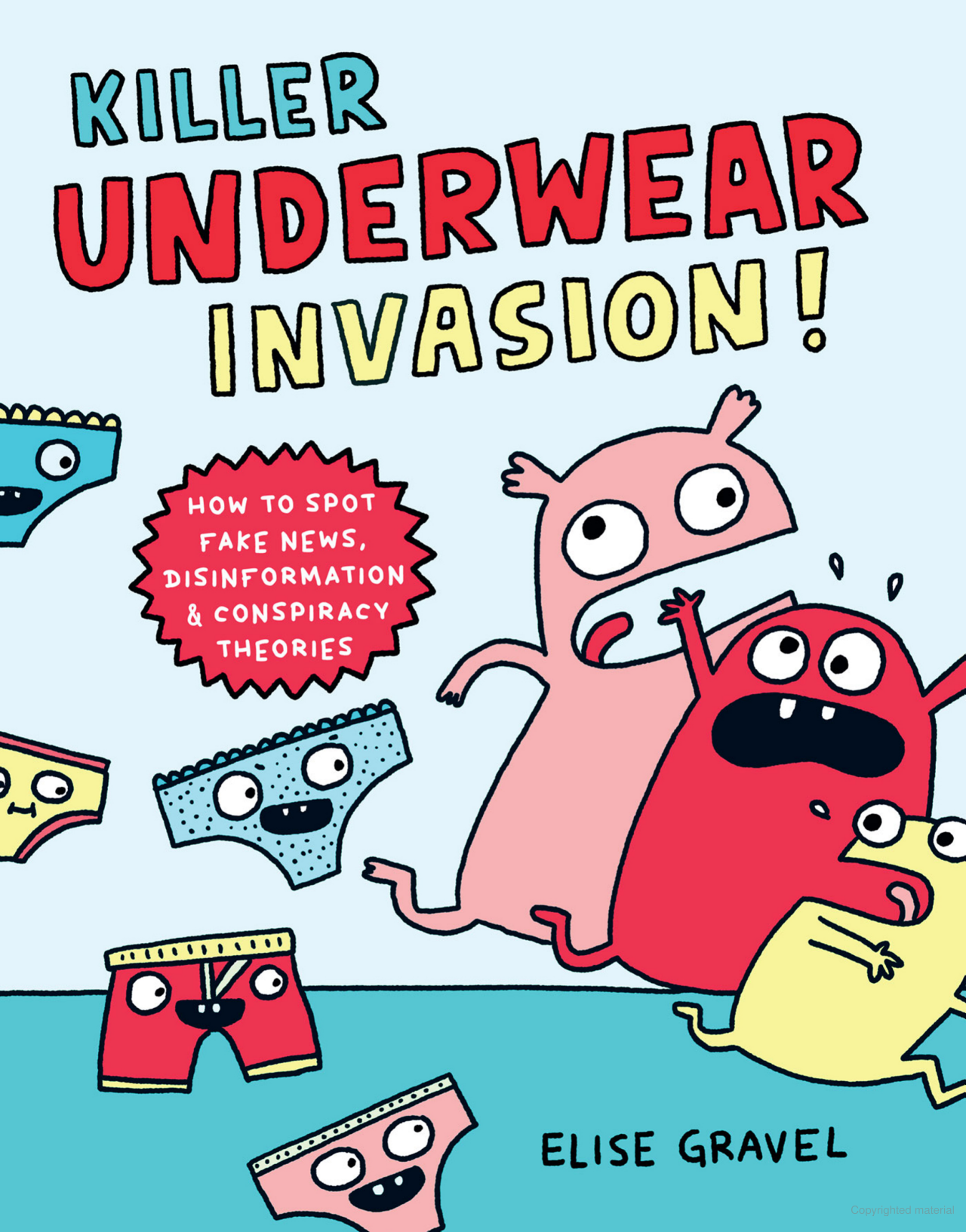
Elise Gravel, 2022.
Final materials, track assignments and book inclusion remain to be confirmed.
Sparks (ages 8–10) and Lanterns (ages 10–12) have different supports and extensions. For age 10, the right track depends on developmental readiness, social reasoning and discussion style alongside reading. Individual readiness matters.
At age 10, either track may fit. Sparks uses concrete story moments and more structured support for discussion. Lanterns asks scholars to hold competing perspectives, consider social consequences and sustain discussion with growing independence.
Consider emotional readiness, comfort with uncertainty and how your scholar joins a conversation—not reading achievement alone. Both tracks offer intellectual depth. Explore developmental fit →
We study characters’ experiences without requiring scholars to disclose their own.
Read the family content guideThe guide is preliminary; exact passages remain under review.
Orphanhood, separation, a missing child, exclusion, unfair accusation, civic hardship, and manipulation by a person in authority.
We distinguish the emotional demands of a passage from the intellectual difficulty of its underlying question. Fictional distance, sensitive framing, choice and alternative routes are part of planning. They cannot guarantee that a passage will not be distressing.
The planned weekly note would connect families to the question explored, the reasoning practiced and an optional way to continue the conversation.
Scholar work may include a selected investigation artifact and a final reflection explaining an interpretation and the evidence behind it. These are descriptive examples of thinking, not formal assessments of growth.
The Letter, selected work and reflection are planned features; final inclusions will be confirmed with enrollment details.
Tuesday at 11 AM, Wednesday at 1 PM or 6 PM, or Saturday at 9 AM, Central Time (America/Chicago). Rank your preferences, rule out days or times that will not work, or request another option. Preferences are not confirmed cohorts; your group and its six meeting dates will be confirmed with you.
Exact passages, editions, audio options, family reading load, materials, what is included in the fee, and policies remain under review.
Exact meeting dates and times, inclusions, preparation and policies must be confirmed before payment. Request details to continue the conversation.
Begin with Find Your Fit and the preliminary family content guide. Share questions about reading, participation or emotional themes before deciding.