Recognize
Give reactions room.
A literary scene may bring sadness, fear, uncertainty, or frustration. A reaction can be acknowledged without a demand to explain or disclose a personal experience.
 Hawthorne InstituteFor young scholars
The Stories We Believe · a guide for families
Intellectual complexity and emotional intensity deserve separate attention. Explore the book’s significant themes and the developmental judgment behind our seminar design.
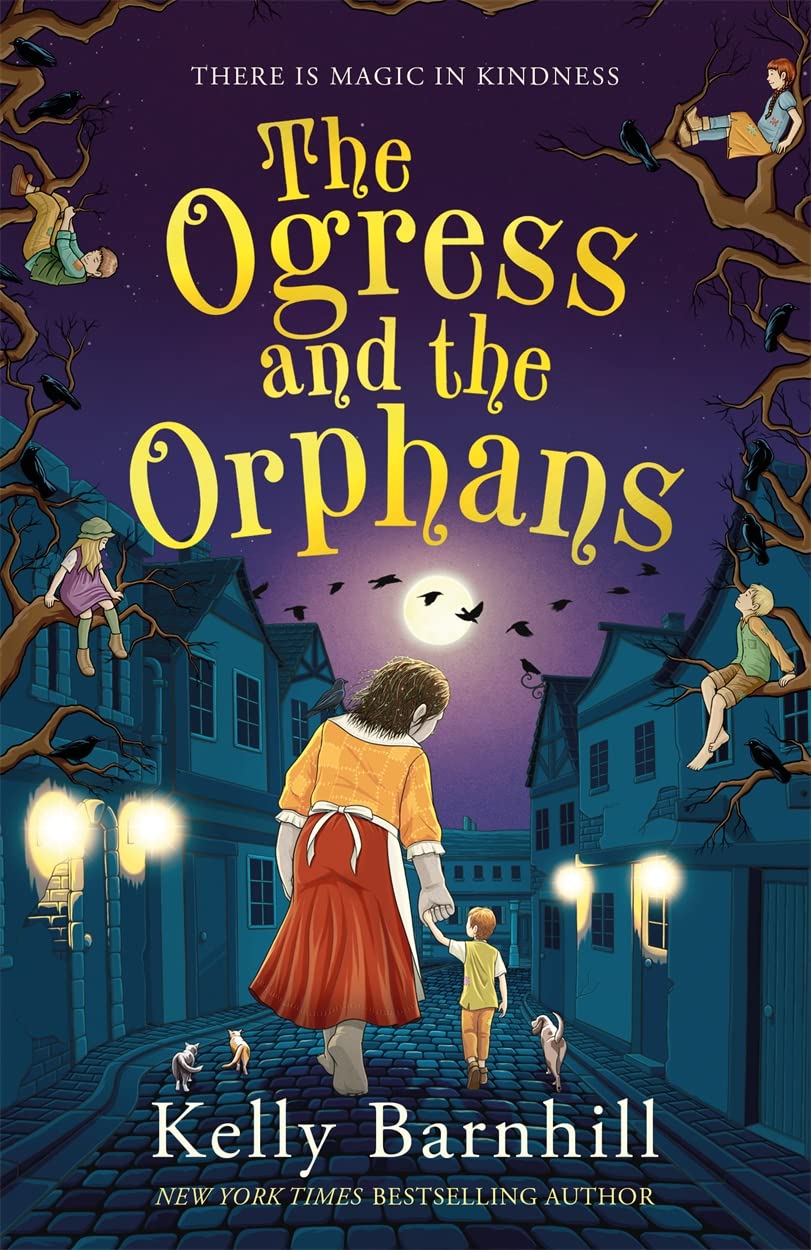
Content families should know
Choose a theme to read its context and our proposed approach. The inquiry stays grounded in fictional characters, evidence, and interpretation.
Children live at the Orphan House. Separation from parents and the meaning of family, care, and belonging are important narrative elements.
We examine belonging and community through fictional characters. We do not presume one family structure or invite autobiographical disclosures.
A child goes missing, and uncertainty contributes to community suspicion. This theme may be unsettling for some scholars.
We focus on what characters know, fear, or infer. We do not cast scholars as victims or suspects or use emotionally immersive danger simulations.
Fires and later hardships have destroyed valued places and changed the town's way of life.
We acknowledge loss and examine how communities interpret events and make decisions. Individual emotional reactions are not put on display.
An outsider is blamed, and the community's assumptions affect how people interpret the available evidence.
We analyze generalization, social perspectives, and fair inquiry. No scholar is asked to reenact humiliation, exclusion, or personal accusation.
A charismatic Mayor influences the town's beliefs and response to hardship.
We examine language, incentives, rhetoric, and evidence without inviting scholars to identify or label adults in their personal lives.
Confident claims and social influence shape collective interpretations, sometimes despite uncertainty.
We separate the emotional force of an account from the strength of its evidence. Scholars may disagree without judging each other's character.
Care, mutual aid, and the possibility of rebuilding community stand alongside the novel's more difficult tensions.
We examine intentions, consequences, and collective responsibility without requiring a single moral answer or implying that kindness resolves every social problem.
Our developmental commitments
Recognize
A literary scene may bring sadness, fear, uncertainty, or frustration. A reaction can be acknowledged without a demand to explain or disclose a personal experience.
Interpret
We investigate how fictional characters see events, draw conclusions, and act. A scholar’s personal life is not the material for analysis.
Protect
Planned supports include pauses, less intense examples, and different ways to contribute where appropriate, while keeping the central intellectual question available.
These are proposed design safeguards. They do not promise a distress-free experience or constitute therapeutic care.
Across both tables
Lanterns does not imply readiness for every passage. Sparks does not imply an inability to reason abstractly. Framing, support, and the particular scholar matter in both groups.
Compare Sparks and LanternsPractical questions
No. Reading achievement and curiosity do not, on their own, determine which emotionally charged material or discussion setting suits a scholar. We consider those dimensions separately.
No. Discussion is grounded in fiction and evidence. Participation should not depend on disclosing hardship, family circumstances, or experiences of exclusion.
Raise relevant content concerns before joining. We plan careful framing and alternative routes where feasible; a different seminar or later timing may sometimes be the better fit.
No. Hawthorne is academically ambitious enrichment informed by developmental science. It does not provide clinical or therapeutic services.
No. The exact reading selections, intensity review, adaptations, and supporting materials remain under review. See the reading-status note above for what is still to be completed.
Your next step
Explore This Journey, or ask about content and individual fit before choosing.